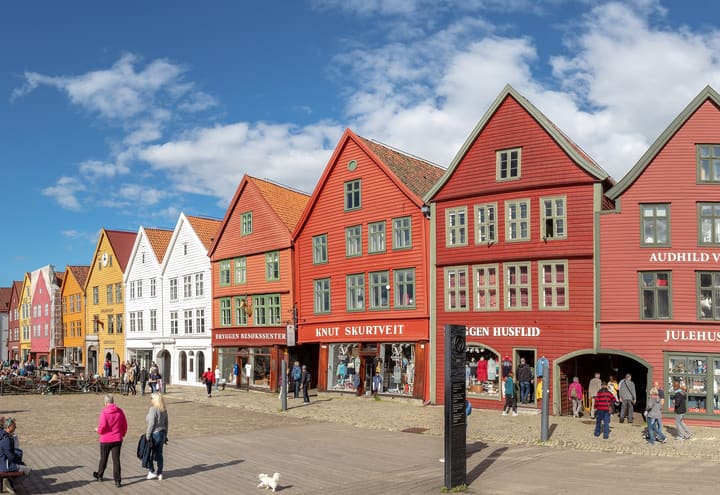
Best starting point
Bergen or Oslo by rail/road, with Flåm, Myrdal, Aurland, Gudvangen, Balestrand, or Sogndal as planning anchors.
Ålesund, Hellesylt, Åndalsnes, Stryn, or Loen, usually with a car, cruise, or ferry-first plan.
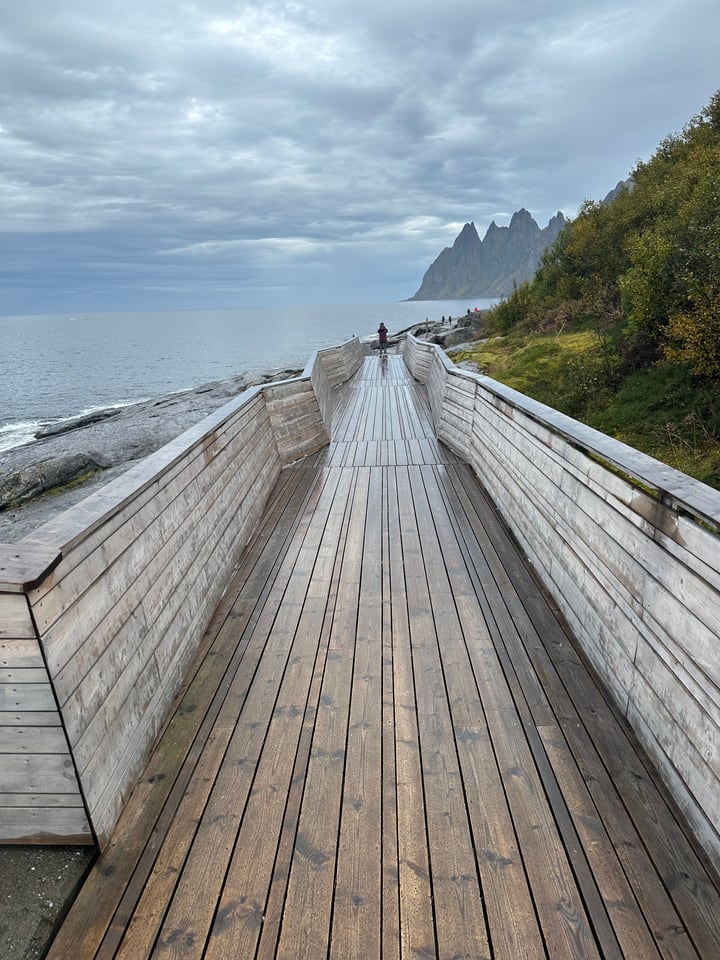
Compare route shape, gateway, transport, season, road risk, and booking checks before choosing whether Sognefjord or Geirangerfjord belongs in the trip.
Start with how the traveler gets in, how much time they have, and which facts must be checked before booking.
Bergen or Oslo by rail/road, with Flåm, Myrdal, Aurland, Gudvangen, Balestrand, or Sogndal as planning anchors.
Ålesund, Hellesylt, Åndalsnes, Stryn, or Loen, usually with a car, cruise, or ferry-first plan.
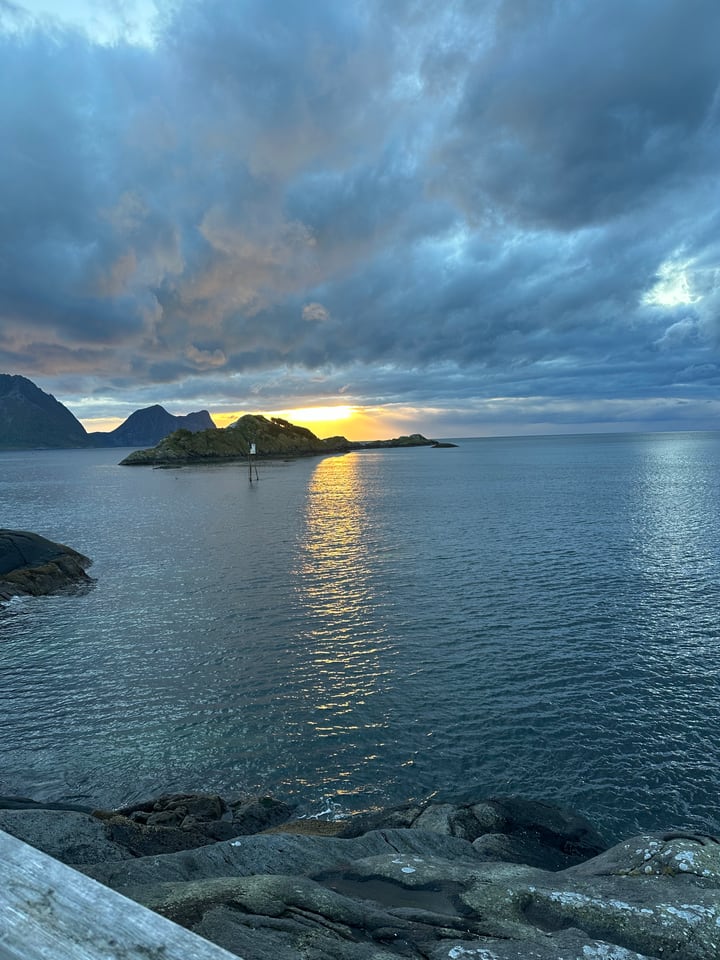
Rail plus Flåm Railway, Nærøyfjord cruise, express boat, bus, ferry, and road-loop combinations.
Scenic road, Geiranger-Hellesylt ferry, Ålesund cruise timing, and seasonal road status.
Travelers who want a flexible fjord network, public-transport options, and more ways to build a multi-night route.
Travelers who want a compact UNESCO fjord experience with high-scenery driving, ferry, or cruise focus.
A one-day plan that tries to cover too many distant villages or depends on unconfirmed boat/train connections.
A compressed same-day plan from Bergen or Oslo, or a scenic-road trip outside the reliable road season.
Fjord trips are route products. The right path depends on the gateway, transport spine, road exposure, and whether the day can survive a weak handoff.
The public planner checks fjord, gateway, route goal, month, and schedule or road readiness before you commit to the route.
Broad fjord route planner for Bergen, Oslo, Flåm, Aurland, Nærøyfjord, Balestrand, and Sogndal decisions.
Check route fitCompact UNESCO fjord planner for Ålesund, Hellesylt, Geiranger, Trollstigen, Ørnevegen, and ferry/cruise decisions.
Check route fitUse Premier Nordics while you are still choosing between Sognefjord and Geirangerfjord route shapes.
Read methodBergen, Oslo, Ålesund, and Åndalsnes can all be correct, but they point to different fjords and different failure points.
These are the practical trip shapes the planner should help travelers sort before opening booking pages.
Best when the traveler wants a no-car route through Myrdal, Flåm, Aurlandsfjord, Nærøyfjord, and Gudvangen.
Check before booking: Confirm train, cruise, shuttle bus, and onward connection times before treating it as a one-day spine.
Best when the traveler wants Flåm/Aurland plus Lærdal, Stegastein, Balestrand, Sogndal, or nearby villages.
Check before booking: Use Lærdal Tunnel logic when Aurlandsfjellet is closed; verify road alerts before relying on mountain roads.
Best when the trip is already on the west coast and the main goal is a compact cruise or ferry-based fjord day.
Check before booking: Confirm sailing season, departure times, return timing, and vehicle or passenger capacity.
Best for road-trip travelers who want Ørnesvingen, viewpoints, Eidsdal-Linge ferry, and mountain-road drama.
Check before booking: Treat road openings, ferry timing, traffic alerts, and weather as go/no-go checks.
This keeps the guide useful without guessing live schedules, road openings, ferry capacity, or weather.
Bergen and Oslo usually point toward Sognefjord; Ålesund and nearby west-coast bases usually point toward Geirangerfjord.
Decide whether the day depends on rail, cruise, express boat, ferry, scenic road, tunnel, or an overnight base.
Identify the one train, ferry, road, cruise, shuttle, or return timing that would break the route if it changed.
Use the fjord planner after gateway, route goal, month, and official-check posture are clear enough to test.
Use Sognefjord when the route needs Bergen or Oslo access, Flåm, Aurland, Nærøyfjord, rail, express boat, ferries, and village-base choices.
Use Geirangerfjord when Ålesund, cruise timing, scenic roads, seasonal viewpoints, and a compact UNESCO fjord experience drive the plan.
Start with the planner when you are still comparing fjord routes, gateways, and transport choices.
Use this page to choose the shape of the trip. Use the linked operators and road authorities for dates, capacity, closures, and same-day travel.
Fjord Norway describes the Nærøyfjord cruise as starting from Flåm or Gudvangen, with the trip taking about two hours one way and a shuttle-bus connection available.
Norwegian Scenic Routes states that Aurlandsfjellet is closed in winter, while the Aurlandsvangen to Stegastein stretch is open all year.
Norwegian Scenic Routes lists Geiranger-Trollstigen as a 104 km scenic route with one ferry crossing, plus winter and bad-weather closure risk.
Fjord1 describes the Geiranger-Hellesylt ferry as a scenic UNESCO fjord crossing from April to October, with the crossing taking about 65 minutes.
Use the guide while comparing fjord shapes. Use the planner when a single weak handoff should change the booking order.
Use the planner when gateway, fjord, route goal, month, and current schedule or road checks are known.
Open fjord plannerReturn to the Nordic chooser if the traveler is still weighing fjords against hikes or Finnish Lapland.
Return to trip chooserReview how Premier Nordics separates planning logic from live operator schedules and road conditions.
Read methodThe short answer is usually a route answer: gateway, time, transport, road status, and overnight base.
Choose Sognefjord when you want more route flexibility, rail/cruise combinations, and village choices. Choose Geirangerfjord when the trip is already near Ålesund or the priority is a compact scenic-road, ferry, or cruise experience.
Yes, but it is rarely a clean one-day decision. Treat it as a multi-stop west Norway route and confirm transfers, ferry timing, road status, and overnight bases before booking.
Bergen is a strong Sognefjord gateway. For Geirangerfjord, Ålesund, Hellesylt, Åndalsnes, Stryn, or Loen usually make the route more practical.
No. Mountain roads and scenic routes can close for winter, weather, landslides, or traffic events. Check Norwegian road information close to departure.